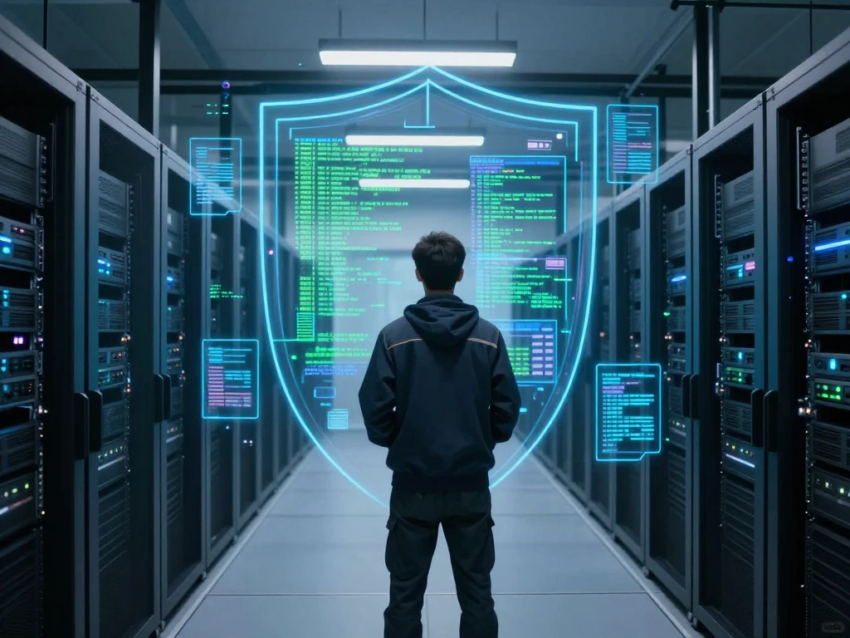
SEO Title: Discover the Future of Cybersecurity: Advanced Protection Techniques
Meta Description: Discover the future of cybersecurity with advanced protection techniques. Learn about AI security, zero-trust models, cyber threats, modern tools, and strategies to protect your digital world.
Focus Keyword: Discover the Future of Cybersecurity
SEO Slug: future-of-cybersecurity-advanced-protection-techniques
Discover the Future of Cybersecurity: Advanced Protection Techniques
The digital world is growing faster than ever before. Businesses, governments, and individuals rely on technology for communication, financial transactions, data storage, and daily activities. However, this rapid digital transformation has also increased the risk of cyber attacks.
Cybercriminals are constantly developing new techniques to exploit systems, steal information, and disrupt digital operations. As threats become more advanced, traditional security methods are no longer enough. This is why the future of cybersecurity focuses on advanced protection techniques, intelligent security solutions, and proactive defense strategies.
Modern cybersecurity is not just about reacting to attacks; it is about predicting threats, preventing vulnerabilities, and creating stronger digital environments. In this guide, we will explore the future of cybersecurity, emerging technologies, and powerful techniques that will help protect the digital world.
What Is the Future of Cybersecurity?
The future of cybersecurity focuses on building smarter, faster, and more adaptable security systems. As technology evolves, cybersecurity must also improve to handle new challenges.
Future cybersecurity solutions will focus on:
- Artificial intelligence-powered protection
- Advanced threat detection
- Stronger privacy controls
- Automated security responses
- Improved identity protection
- Zero-trust security models
The goal is to create digital systems that can identify risks before they become serious problems.
Why Advanced Cybersecurity Protection Is Important
Cyber threats are becoming more sophisticated every year. Hackers use advanced tools to target individuals, businesses, and organizations.
Advanced cybersecurity techniques help:
Protect Sensitive Data
Personal information, financial records, and business data are valuable targets. Strong security systems help prevent unauthorized access.
Reduce Cyber Risks
Modern protection methods identify weaknesses and fix them before attackers can exploit them.
Improve Business Security
Companies need advanced cybersecurity to maintain operations, protect customers, and build trust.
Support Digital Growth
Secure technology allows businesses and individuals to confidently adopt new digital solutions.
Emerging Cybersecurity Threats
Understanding future threats is essential for building better protection strategies.
Advanced Phishing Attacks
Phishing attacks are becoming more realistic with the use of artificial intelligence. Attackers can create convincing messages designed to trick users.
Future protection requires:
- Smart email filtering
- User awareness training
- AI-based threat detection
Ransomware Evolution
Ransomware remains one of the biggest cybersecurity challenges. Modern attackers target businesses, healthcare systems, and critical infrastructure.
Advanced protection includes:
- Regular backups
- Automated monitoring
- Strong access controls
- Security awareness programs
Artificial Intelligence-Based Attacks
While AI helps improve cybersecurity, attackers can also use AI to create more advanced threats.
Examples include:
- Automated phishing campaigns
- Faster malware development
- Intelligent attack methods
This creates the need for AI-powered cybersecurity defenses.
Advanced Protection Techniques in Cybersecurity
The future of cybersecurity depends on advanced technologies and smarter strategies.
1. Artificial Intelligence in Cybersecurity
Artificial Intelligence (AI) is transforming how organizations detect and respond to cyber threats.
AI-powered security systems can:
- Analyze large amounts of data
- Detect unusual behavior
- Identify potential attacks
- Automate security responses
AI allows cybersecurity teams to respond faster and more effectively.
2. Machine Learning for Threat Detection
Machine learning helps security systems learn from previous attacks and identify new threats.
It can detect:
- Suspicious network activity
- Malware patterns
- Unusual user behavior
This proactive approach improves cybersecurity protection.
3. Zero-Trust Security Model
Zero-trust security is becoming one of the most important cybersecurity strategies.
The main idea is:
Never trust automatically, always verify.
Instead of assuming users or devices are safe, zero-trust systems continuously verify:
- User identity
- Device security
- Access permissions
- Network activity
This reduces the chances of unauthorized access.
4. Cloud Security Protection
As more organizations move data and services to the cloud, cloud security becomes essential.
Advanced cloud security includes:
- Data encryption
- Identity management
- Access control
- Continuous monitoring
Protecting cloud environments will remain a major cybersecurity priority.
5. Biometric Authentication
Traditional passwords are becoming less reliable. Biometric security uses unique physical characteristics for identification.
Examples include:
- Fingerprint recognition
- Facial recognition
- Voice authentication
Biometric technologies provide stronger identity protection.
6. Blockchain for Cybersecurity
Blockchain technology can improve security by creating transparent and tamper-resistant records.
Potential cybersecurity applications include:
- Secure identity management
- Data protection
- Transaction security
- Digital verification
Blockchain can help create more trusted digital systems.
The Role of Automation in Cybersecurity
Automation is becoming an important part of modern cybersecurity.
Automated security systems can:
- Detect threats quickly
- Respond to attacks automatically
- Monitor networks continuously
- Reduce human errors
Automation allows cybersecurity professionals to focus on complex security challenges.
Cybersecurity Skills of the Future
As cybersecurity evolves, professionals will need advanced skills.
Important future cybersecurity skills include:
AI and Machine Learning Knowledge
Understanding AI-based security systems will become increasingly valuable.
Cloud Security Skills
Cloud protection expertise will be highly demanded.
Ethical Hacking
Security professionals need to understand attacker methods to defend systems.
Risk Management
Identifying and managing security risks will remain essential.
Data Privacy Knowledge
Understanding privacy regulations and protection methods will become more important.
Future Cybersecurity Career Opportunities
The demand for cybersecurity professionals is expected to continue growing.
Future career roles include:
- Cybersecurity Engineer
- AI Security Specialist
- Cloud Security Analyst
- Ethical Hacker
- Security Architect
- Threat Intelligence Analyst
- Digital Forensics Expert
- Cybersecurity Consultant
Organizations across industries will need skilled experts to protect their digital systems.
How Businesses Can Prepare for Future Cyber Threats
Businesses should adopt proactive cybersecurity strategies.
Important steps include:
Regular Security Assessments
Finding vulnerabilities before attackers discover them.
Employee Training
Teaching employees how to recognize cyber threats.
Strong Access Management
Controlling who can access sensitive information.
Continuous Monitoring
Tracking systems for suspicious activities.
Data Backup Strategies
Maintaining secure backups to recover from attacks.
The Future of Personal Online Security
Individuals also need strong cybersecurity habits.
Future online protection will include:
- Passwordless authentication
- Privacy-focused technologies
- AI security assistants
- Stronger identity protection
Users must remain aware and follow safe digital practices.
Frequently Asked Questions (FAQs)
What is the future of cybersecurity?
The future of cybersecurity focuses on AI-powered protection, automation, advanced threat detection, and stronger privacy solutions.
How will AI impact cybersecurity?
AI will help detect threats faster, analyze security data, and automate responses to cyber attacks.
Why is zero-trust security important?
Zero-trust security improves protection by continuously verifying users, devices, and access requests.
Are cybersecurity careers in demand?
Yes. As cyber threats increase, organizations need skilled cybersecurity professionals.
Conclusion
The future of cybersecurity will be shaped by advanced technologies, intelligent protection systems, and proactive security strategies. As cyber threats continue to evolve, individuals and organizations must adopt stronger methods to protect their digital assets.
Artificial intelligence, automation, zero-trust security, cloud protection, and advanced authentication methods are transforming the way we defend against cyber attacks.
By understanding these advanced protection techniques and developing cybersecurity awareness, we can create a safer and more secure digital future.
The future belongs to those who prepare today. Start exploring modern cybersecurity solutions and stay ahead of emerging digital threats.