SEO Title: The Future of Smart Devices: A Complete Guide
Meta Description: Explore the future of smart devices and learn how smart technology, AI, IoT, and connected devices are changing our daily lives and creating a smarter future.
Focus Keyword: The Future of Smart Devices
SEO Slug: future-of-smart-devices-complete-guide
The Future of Smart Devices: A Complete Guide
Technology is changing the way we live, work, and communicate. From smart homes and wearable devices to intelligent assistants and connected appliances, smart technology has become an important part of modern life.
Smart devices are no longer just advanced gadgets; they are powerful tools that help people save time, improve efficiency, and make better decisions. With the growth of Artificial Intelligence (AI), Internet of Things (IoT), and automation, the future of smart devices is becoming more exciting and innovative.
The next generation of smart devices will provide better connectivity, improved security, and more personalized experiences. They will help individuals, businesses, and industries create a smarter and more connected world.
In this complete guide, we will explore what smart devices are, their benefits, key technologies, future trends, challenges, and how they are transforming our everyday lives.
What Are Smart Devices?
Smart devices are electronic devices that can connect to the internet, collect data, process information, and perform tasks automatically.
Unlike traditional devices, smart devices can communicate with users and other devices to provide improved functionality.
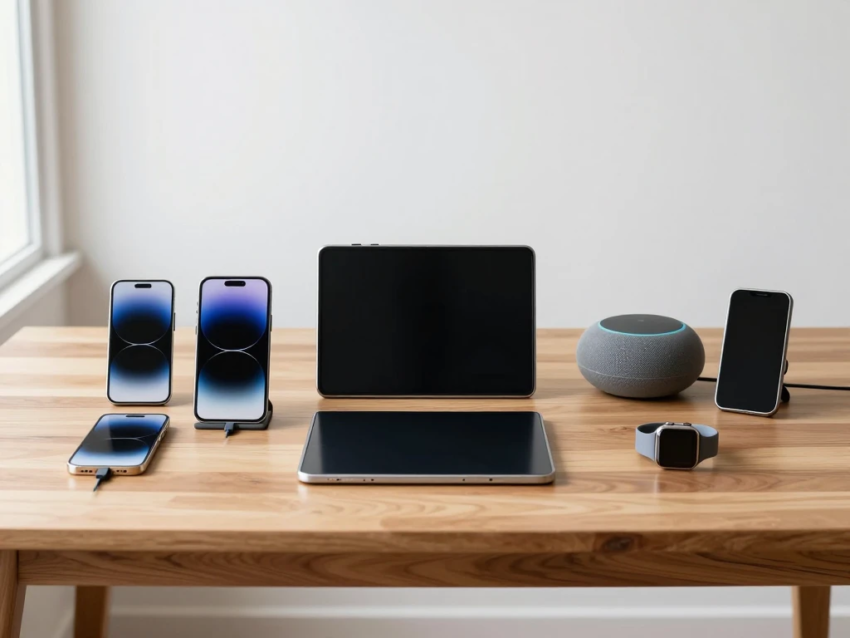
Examples of smart devices include:
- Smartphones
- Smart watches
- Smart TVs
- Smart speakers
- Smart home systems
- Smart security cameras
- Smart appliances
- Connected vehicles
These devices use advanced technologies to make everyday activities easier and more efficient.
Why Smart Devices Are Important
Smart devices are becoming essential because they improve convenience, productivity, and connectivity.
Make Daily Life Easier
Smart devices automate many everyday tasks.
Examples include:
- Controlling home lights remotely
- Managing temperature automatically
- Tracking health information
- Using voice commands for assistance
These features save time and improve comfort.
Improve Productivity
Smart devices help people manage work and personal tasks more effectively.
Businesses use smart technology for:
- Communication
- Data collection
- Automation
- Workplace management
This improves efficiency and reduces manual effort.
Provide Better Experiences
Smart devices learn user preferences and provide personalized services.
For example:
- Smart assistants suggest useful information
- Fitness devices track personal health goals
- Smart entertainment systems recommend content
Technologies Behind Smart Devices
The future of smart devices depends on several advanced technologies.
Artificial Intelligence (AI)
Artificial Intelligence is one of the most important technologies powering smart devices.
AI allows devices to:
- Understand user behavior
- Learn from data
- Make intelligent decisions
- Provide personalized responses
Examples of AI-powered smart devices include voice assistants, smart cameras, and intelligent home systems.
In the future, AI will make smart devices even more powerful and helpful.
Internet of Things (IoT)
The Internet of Things connects smart devices through the internet, allowing them to exchange information.
IoT enables:
- Smart homes
- Smart cities
- Connected vehicles
- Industrial automation
With IoT technology, devices can communicate and work together automatically.
Cloud Computing
Cloud technology allows smart devices to store and process large amounts of data online.
Benefits of cloud computing include:
- Faster data access
- Better device performance
- Remote control features
- Improved storage capacity
Cloud systems help smart devices become more reliable and efficient.
5G Connectivity
Fast internet connectivity is essential for the future of smart devices.
5G technology provides:
- Faster communication
- Lower delays
- Better device connections
This will support the growth of smart cities, autonomous vehicles, and advanced IoT systems.
Benefits of Smart Devices
Smart devices offer many advantages for individuals and businesses.
Convenience and Automation
Smart devices can complete tasks automatically, making daily activities easier.
Energy Efficiency
Smart home devices help reduce energy usage by controlling electricity consumption.
Examples include:
- Smart lighting
- Smart thermostats
- Energy monitoring systems
Improved Security
Smart security devices provide better protection through:
- Cameras
- Sensors
- Smart locks
- Real-time alerts
Better Health Management
Wearable smart devices help users monitor:
- Heart rate
- Fitness activities
- Sleep patterns
- Health goals
Enhanced Communication
Smart devices allow people to stay connected through advanced communication features.
Smart Devices in Different Areas
Smart technology is transforming many industries and lifestyles.
Smart Homes
Smart homes use connected devices to improve comfort and security.
Examples include:
- Smart lights
- Smart speakers
- Smart appliances
- Smart security systems
Users can control many home functions through mobile apps or voice commands.
Smart Healthcare
Smart healthcare devices are improving medical services and personal health management.
Examples include:
- Fitness trackers
- Smart medical monitors
- Remote health devices
These technologies help doctors and patients access important health information.
Smart Businesses
Companies use smart devices to improve productivity and operations.
Applications include:
- Smart office systems
- Automated equipment
- Connected workplace tools
Smart technology helps businesses save resources and make better decisions.
Smart Transportation
Smart devices are changing the future of transportation.
Examples include:
- Connected vehicles
- Navigation systems
- Vehicle monitoring technology
These solutions improve safety, efficiency, and travel experiences.
Future Trends of Smart Devices
The future of smart devices will bring many exciting developments.
AI-Powered Smart Devices
Future devices will become more intelligent and understand users better.
They will provide:
- Personalized recommendations
- Automated decisions
- Better assistance
Smart Cities
Smart cities will use connected devices to improve:
- Traffic management
- Energy usage
- Public services
- Safety systems
Wearable Technology Growth
Wearable devices will continue improving with advanced health and fitness features.
Future wearables may provide more accurate health monitoring and personal insights.
More Connected Ecosystems
Future smart devices will work together more smoothly, creating complete digital ecosystems.
For example, smart homes where lighting, security, entertainment, and appliances communicate automatically.
Challenges of Smart Devices
Although smart devices offer many benefits, they also create challenges.
Privacy Concerns
Smart devices collect large amounts of user data, making privacy protection important.
Cybersecurity Risks
Connected devices can become targets for hackers if proper security measures are not used.
High Costs
Some advanced smart devices may be expensive for users.
Dependence on Technology
Increasing dependence on smart devices requires responsible use and proper management.
How to Use Smart Devices Safely
To protect your smart devices:
- Use strong passwords
- Enable security updates
- Protect personal information
- Avoid unknown applications
- Use secure internet connections
Good security practices help users enjoy smart technology safely.
The Future Impact of Smart Devices
Smart devices will continue changing how people interact with technology.
In the future, they will help create:
- Smarter homes
- Better healthcare
- More efficient businesses
- Connected cities
- Improved lifestyles
As technology continues developing, smart devices will become more intelligent, useful, and common in everyday life.
Frequently Asked Questions (FAQs)
What are smart devices?
Smart devices are electronic devices that connect to the internet and perform tasks using advanced technology.
Why are smart devices important?
They improve convenience, automation, productivity, security, and connectivity.
What technologies power smart devices?
AI, IoT, cloud computing, and 5G are major technologies behind smart devices.
Are smart devices safe to use?
Yes, but users should follow cybersecurity practices to protect their data and privacy.
Conclusion
The future of smart devices is creating a more connected and intelligent world. With technologies like artificial intelligence, IoT, cloud computing, and advanced connectivity, smart devices are becoming more powerful every day.
From smart homes and healthcare to businesses and transportation, these devices are improving the way people live and work.
Understanding smart technology today can help individuals and organizations prepare for a smarter future. As innovation continues, smart devices will remain an important part of the digital world.